How to Choose a Ring Setting That Keeps Your Diamond Safe
When you shop for a diamond ring, the center stone draws your eye. Yet the setting that holds that stone matters just as much as the diamond itself. A beautiful diamond set in a weak or poorly designed mounting can chip, loosen, or fall out entirely. Understanding how different setting styles protect your stone helps you make a choice that balances security with the look you want.
What Makes a Setting Secure?
A secure setting holds the diamond firmly in place while allowing light to pass through for brilliance. Security depends on several factors: the number and placement of prongs or other holding elements, the thickness of the metal, and how the setting distributes force if the ring gets knocked. A setting that works well for a solitaire engagement ring may not suit an active lifestyle or a ring worn daily for decades.
Metal quality also plays a role. Platinum and palladium are denser and more durable than gold alloys, though 14k and 18k gold can still be very secure when the setting is well made. The skill of the jeweler matters too. A mass-produced setting may have thin spots or poorly finished edges that reduce security over time.
Prong Settings: Classic and Open
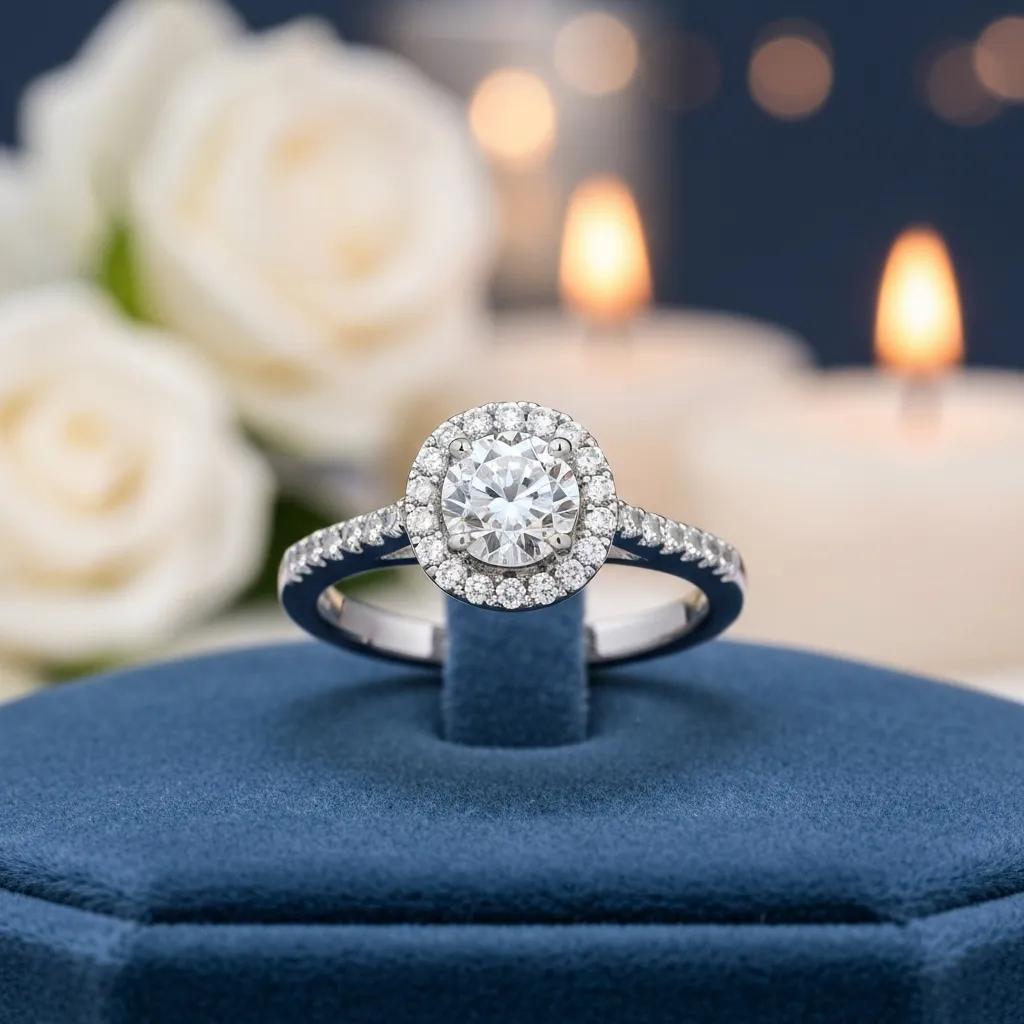
The prong setting is the most common choice for diamond rings. Four or six metal claws grip the diamond around its girdle, holding it above the band. A six-prong setting offers more security than a four-prong one because if one prong breaks, the diamond is less likely to fall out. Many jewelers recommend six prongs for valuable stones exactly for this reason.
Prongs can be round, V-shaped, or flat. V-shaped prongs follow the diamond's shape more closely and protect the corners of a square or princess-cut stone. Flat or claw prongs offer a clean look but may wear down faster. Over time, prongs can snag on clothing or get bent out of shape, so regular inspections are important. A jeweler can tighten or rebuild a prong when needed.
Bezel Settings: Full Protection
A bezel setting surrounds the diamond with a rim of metal. The stone sits inside a collar that covers its edge completely. This is one of the most secure diamond settings available because the diamond is protected on all sides. Nothing catches on the stone, and the rim absorbs impacts that would otherwise hit the diamond directly.
Bezel settings work especially well for people who work with their hands or play sports. They also suit softer cuts like the emerald cut or Asscher cut, whose step facets can chip more easily if the corners are exposed. The trade-off is that a bezel covers part of the diamond, so less light enters from the sides. Still, a well-made bezel can look sleek and modern, and it gives the ring a smooth, low-profile feel.
A half-bezel or partial bezel leaves part of the diamond's edge exposed. This offers a middle ground between a full bezel and a prong setting, adding some protection while letting more light through.
Channel Settings and Pave Settings
Channel settings and pave settings are popular for accent diamonds along the band. In a channel setting, diamonds sit in a row between two metal walls. The stones are held in place by the channel edges, with no prongs between them. This creates a smooth surface that does not snag, and the diamonds are well protected from side impacts.
Pave settings use tiny prongs or beads of metal to hold small diamonds close together. The surface looks as if it is paved with diamonds. While pave settings are beautiful, the small prongs can be more delicate. Over time, individual stones may loosen if the setting is not well made or if the ring takes hard knocks. For a more secure pave look, a micro-pave setting with multiple small prongs per stone can help, but regular maintenance is still needed.
Both channel and pave settings require careful craftsmanship. If the channels are too shallow or the metal is too thin, stones can shift. A reputable jeweler will ensure the metal is thick enough and the stones are seated correctly.
Cathedral and Tension Settings
A cathedral setting arches the band up to meet the center stone, creating a strong structural connection. The arches support the head of the ring and distribute force down into the shank. This design adds security for the center diamond while still allowing a classic solitaire look with prongs. Many cathedral settings come with a gallery rail or a basket underneath that provides extra support.
Tension settings hold the diamond by compressing the band metal around the stone. The diamond appears to float between two ends of the band. This is a striking modern look, but it requires a very precise fit. Only certain diamond cuts and hardness levels work well with tension settings, and the ring must be made specifically for the stone. If the tension ever fails, the diamond can fall out. Tension settings are not the best choice for someone who wants maximum security or who plans to wear the ring heavily.
Shared Prong Settings
A shared prong setting uses one prong to hold two adjacent diamonds. This is common in eternity bands and diamond-accent rings. The design lets more light reach each diamond because there is less metal between stones. However, because each prong bears the load of two stones, the setting can be less secure if the prongs are thin. A well-made shared prong setting with thick enough prongs can work well, but it requires periodic checks to ensure no prong has worn down or bent.
Practical Advice for Long-Term Security
No matter which setting you choose, the security of your diamond depends on regular care. Have your ring inspected by a jeweler every six to twelve months. They will check for loose prongs, worn metal, and any damage that may have occurred during daily wear. Avoid wearing your ring during heavy lifting, gardening, or other activities that could catch or strike the setting.
When you clean your ring at home, use a soft brush and mild soap. Harsh chemicals or ultrasonic cleaners can loosen stones over time if the setting has any weak points. Pay attention to how the ring feels on your finger. If a prong feels sharp or the stone seems to wiggle even a little, take it to a jeweler right away.
Balance Looks and Safety
The most secure diamond setting is one that fits your lifestyle and your taste. A bezel setting offers the most physical protection, while a six-prong setting with a cathedral design gives a classic look with strong security. For accent stones, a channel setting is safer than pave for daily wear, but good craftsmanship can make either option reliable. Tension settings and shared prong settings can work well when made by an expert, but they demand more vigilance.
Understanding the strengths and weaknesses of each style lets you make an informed decision. A ring that you can wear confidently every day is a ring that stays beautiful for a lifetime. Take the time to examine the setting as carefully as you examine the diamond, and you will end up with a piece of jewelry that looks wonderful and stays safe.